ADHD in women and girls is often missed because it can look different from the restless, disruptive behaviour many people expect. Symptoms are more often quiet and inattentive, many girls learn to hide their struggles, and anxiety or low mood may be noticed first.
NICE guidance on attention deficit hyperactivity disorder (ADHD) says it is thought to be under-recognised in girls and women. They are less likely to be referred for assessment.
In short
- ADHD is thought to be missed more often in girls and women.
- Girls and women more often have quiet, inattentive symptoms, which are easy to overlook.
- Many hide or make up for their struggles. This is often called masking.
- Anxiety or depression may be spotted first, while ADHD is missed.
- You can be assessed at any age, and an assessment looks back at childhood too.
Why is ADHD in women and girls so often missed?
Often, it's because it doesn't match the picture many people have of ADHD: a loud, restless boy who disrupts the class. The NHS website says ADHD is thought to be recognised less often in women than men. This may be because women more often have inattentive symptoms (trouble focusing and staying organised), and these can be harder to spot than hyperactivity.
A 2020 expert consensus from the UK ADHD Partnership points to a gap in referrals. Among children referred to clinics, boys can outnumber girls by as much as 16 to 1.
In studies of children in general, the gap is about 3 to 1. The experts say this suggests many girls with ADHD go unnoticed. They also say teachers' and parents' expectations may affect who gets referred.
What can ADHD in girls look like?
ADHD in girls often looks like quiet trouble with attention rather than restless, disruptive behaviour. The UK experts say it may show up as being easily distracted, disorganised or overwhelmed, or seeming to lack effort.
Signs a parent or teacher might notice include:
- Daydreaming, or school reports saying she is distracted or not trying.
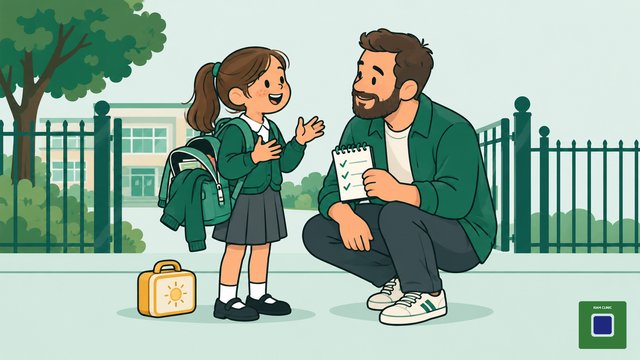
- Being disorganised: a messy bag, forgotten homework or lost belongings.
- Chattiness or fidgeting, as some girls do have hyperactive symptoms.
- Trouble with friendships.
- Feeling overwhelmed as schoolwork gets harder, sometimes with worry or perfectionism.
Many children without ADHD show some of these signs. What matters is whether they last, show up in more than one setting and cause real problems. That's why our ADHD assessment for children asks parents and, with permission, school to fill in questionnaires.
What are common ADHD symptoms in women?
ADHD symptoms in women can be hard to see from the outside, but they can make daily life much harder. The NHS and the UK experts describe things like:
- Feeling overwhelmed by everyday tasks, like bills, forms and appointments.
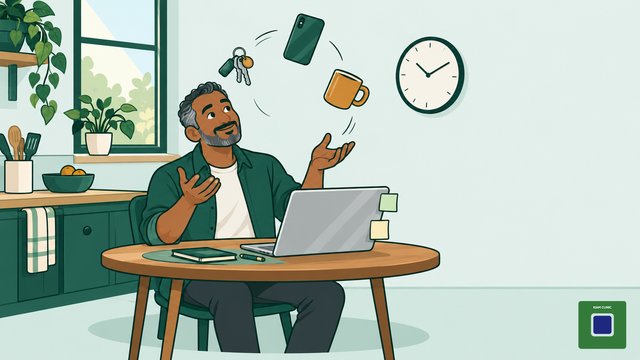
- Forgetfulness, such as often losing your keys or phone.
- Starting lots of things but struggling to finish them.
- Inner restlessness, or talking a lot and interrupting.
- Strong emotions, such as irritability or quick changes in mood.
- Low self-esteem, or feeling you fail at things others find easy.
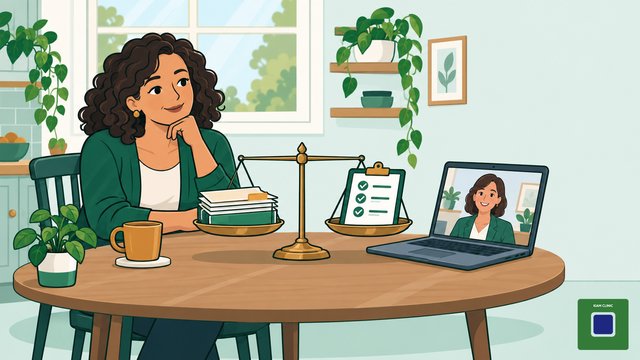
The UK experts say symptoms may become more obvious as life gets busier. That might be at university, in a new job or as a parent. They also note that women often carry more of the household and caring load, which can add to the strain.
Everyone forgets things sometimes. With ADHD, the problems usually start before the age of 12 and affect more than one part of life.
How does masking hide ADHD?
Masking means hiding struggles, or working hard to make up for them, so others don't notice. The UK experts say some girls and women become skilled at this, which may lead others to underestimate how much they struggle. A 2023 review of research on ADHD in adult women also notes that many girls with ADHD put a lot of effort into masking.
For example, someone might:
- rely on lists, alarms and reminders to keep on top of things;
- check their work again and again;
- keep quiet in class so no one notices they have lost track.
Masking can get someone through school or work, but it takes effort. A lot of support at home or school can also hide problems until that support falls away, for example when a young person leaves home.
Could anxiety or depression be hiding ADHD?
It can. This is sometimes called diagnostic overshadowing: one condition is noticed and another is missed. NICE says girls and women with ADHD may be more likely to be given an incorrect diagnosis of another mental health condition.
Several things may play a part:
- Girls and women are more often referred for emotional problems like anxiety or depression, and boys and men for behaviour, the 2023 review reports.
- Low mood and anxiety may be especially common in girls and women with ADHD, say the UK experts.
- People with ADHD may also have anxiety or depression, the NHS notes.
This doesn't mean an anxiety or depression diagnosis is wrong, as both can be present. The UK experts suggest checking for ADHD if anxiety or depression hasn't improved as expected with treatment. Keep going with any treatment, and talk it over with whoever is treating you.
Do hormones affect ADHD symptoms?
They might, but the research is at an early stage. The UK experts say symptoms may get worse with hormone changes during the menstrual cycle, pregnancy and the menopause.
A 2025 systematic review gathered and weighed up the research on this. It found only 11 studies on ADHD and female hormones.
Together, they suggest symptoms may change with hormones in puberty and across the menstrual cycle. But many were small, and the reviewers call for more research, including on the menopause.
If your symptoms seem to shift at certain times, a simple note of when can help your clinician.
Can women be assessed for ADHD at any age?
Yes. NICE guidance says ADHD should be considered in all age groups, so you can ask about it whatever your age.
Our adult ADHD assessment includes a detailed childhood history, as well as how things affect your work, studies and relationships today. Old school reports or a relative's memories can help.
A diagnosis later in life can still matter. In the 2023 review, six of the eight studies described women feeling relief and greater self-acceptance after an adult diagnosis. ADHD also often runs in families, so if your child has been diagnosed, it may be worth thinking about your own story too.
Frequently asked questions
Why is ADHD in girls harder to spot?
Girls with ADHD more often have quiet, inattentive symptoms, such as daydreaming or being disorganised, rather than disruptive behaviour.
Many also work hard to hide their struggles, and anxiety or low mood may be noticed first. So a girl who is struggling quietly can easily be overlooked.
Can you have ADHD and anxiety or depression at the same time?
Yes. The NHS notes that people with ADHD may often have other conditions too, including anxiety and depression. In women, these may be recognised first while ADHD is missed.
A careful assessment looks at your whole history. If your mood is very low right now, speak to your GP or see the urgent help details below.
Does ADHD get worse during the menopause?
It may for some women, but the evidence is limited. UK experts say symptoms may worsen with hormone changes, including the menopause.
A 2025 review found only 11 studies on ADHD and female hormones, many of them small, and called for more research, including on the menopause. If you notice changes, mention them to your GP or specialist.
When to get help
It may be worth a professional view if:
- problems with attention, organisation or restlessness go back to childhood and still affect your work, home life or relationships;
- you feel you work much harder than others just to keep up;
- anxiety or low mood has been treated but hasn't improved as expected.
If this sounds familiar, you could talk to your GP or book an assessment with one of our consultant psychiatrists, online or at our Epsom clinic. Only a full assessment can tell you whether ADHD is the explanation. You can also check what each assessment costs.
If you're worried about your daughter, start by talking to her school's SENCo (special educational needs coordinator) and your GP. Our ADHD assessments for children and young people are led by Consultant Child and Adolescent Psychiatrist Dr Hadi Shaker Naeeni.
If you've spent years wondering why things feel harder for you than for others, you deserve a clear answer. An assessment, at any age, can be a calm first step towards understanding and support.
Need help now? If you think you might act on thoughts of suicide or you are in danger, call 999 or go to A&E. For urgent mental health help, call NHS 111 and choose the mental health option. You can talk to Samaritans any time, free, on 116 123, or text SHOUT to 85258.
Related reading
- What Actually Happens in an Adult ADHD Assessment?: what the appointment involves and how to prepare for it.
References
- Attention deficit hyperactivity disorder: diagnosis and management (NG87). NICE, 2018, updated 2019.
- ADHD in adults. NHS, 2025.
- Females with ADHD: an expert consensus statement taking a lifespan approach providing guidance for the identification and treatment of attention-deficit/hyperactivity disorder in girls and women. Young S and colleagues, UK ADHD Partnership, BMC Psychiatry, 2020.
- Miss. Diagnosis: a systematic review of ADHD in adult women. Attoe DE and Climie EA, Journal of Attention Disorders, 2023.
- ADHD and sex hormones in females: a systematic review. Osianlis E and colleagues, Journal of Attention Disorders, 2025.
Useful resources
- ADHD UK: information about ADHD and routes to diagnosis, plus free online support groups.
- AADD-UK: a site for and by adults with ADHD, with information and peer support groups.
- NHS: ADHD in children and young people: the signs in children, why girls may be recognised less often, and how to get help.
This article is for general information. It is not a diagnosis or a substitute for advice from a qualified professional who knows your situation.