Specialist assessment

Autism Assessment

A two-stage autism assessment for children and young people: a detailed developmental history, then a structured observation at our Epsom clinic. It explains your child's differences and gives you a report you can share with the people who support them.

Book your assessment

Stage 1, Stage 2, or both

Autism assessment at Kiam is for children and young people. Stage 1 can be online or in person; the Stage 2 observation takes place at our Epsom clinic.

Children & young people

Online Autism Assessment Stage 1

Online

A structured diagnostic assessment for autism in children and young people, which can explain long-standing differences in communication, sensory experience and social understanding.

  • A detailed developmental and personal history
  • Structured assessment against recognised diagnostic criteria
  • Consideration of co-occurring conditions such as ADHD and anxiety
  • A written diagnostic report
  • A follow-up conversation to talk the report through

£1,395

90 min
Children & young people

In-Person Autism Assessment Stage 1

In person

A structured diagnostic assessment for autism in children and young people, which can explain long-standing differences in communication, sensory experience and social understanding.

  • A detailed developmental and personal history
  • Structured assessment against recognised diagnostic criteria
  • Consideration of co-occurring conditions such as ADHD and anxiety
  • A written diagnostic report
  • A follow-up conversation to talk the report through

£1,495

90 min

Children & young people

In-Person Autism Assessment Stage 2

In person

A structured diagnostic assessment for autism in children and young people, which can explain long-standing differences in communication, sensory experience and social understanding.

  • A detailed developmental and personal history
  • Structured assessment against recognised diagnostic criteria
  • Consideration of co-occurring conditions such as ADHD and anxiety
  • A written diagnostic report
  • A follow-up conversation to talk the report through

£1,300

60 min

Children & young people

In-Person Autism Assessment (Full - Stage 1&2)

In person

A structured diagnostic assessment for autism in children and young people, which can explain long-standing differences in communication, sensory experience and social understanding.

  • A detailed developmental and personal history
  • Structured assessment against recognised diagnostic criteria
  • Consideration of co-occurring conditions such as ADHD and anxiety
  • A written diagnostic report
  • A follow-up conversation to talk the report through

£2,795

90 min + 60 min

Understanding autism

What is autism?

Autism is a lifelong difference in how a person's brain develops. It shapes how an autistic child communicates, how they experience the world through their senses, and how they make sense of other people. The NHS is clear that autism is not an illness or a disease. It is not something to cure, but the right support makes a real difference.

Every autistic child has their own mix of strengths and challenges. Some need a lot of support in daily life and some need very little. Signs may be noticed when a child is very young, or not until school, when the social and sensory demands of the day grow.

A diagnosis does not change who your child is. What it can do is explain what you have been noticing, help your child understand themselves as they grow up, and make it easier for the people around them to give the right support.

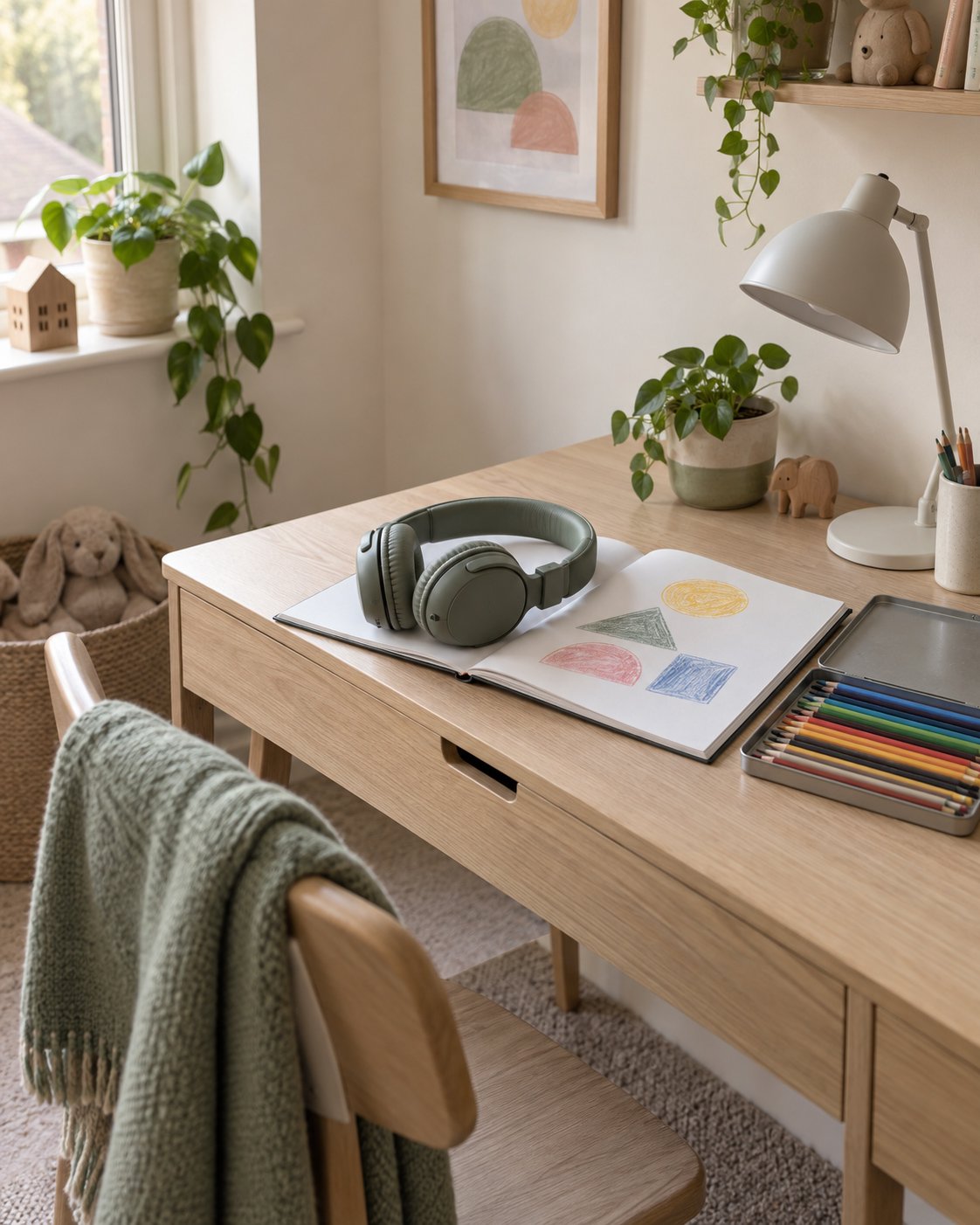
Noise-reducing headphones resting on an open sketchbook with coloured pencils.
Recognising the signs

Social communication and interaction

Signs vary from child to child. They can include:

  • Talking later than other children
  • Not responding to their name
  • Less eye contact
  • Repeating words or phrases
  • Taking things very literally
  • Finding it hard to join in with play
  • Talking at people rather than with them

Routines, repetition and the senses

They can also include:

  • Rocking or hand-flapping (stimming)
  • Intense, focused interests
  • Getting very upset by change
  • Needing strict rules or routines
  • Strong reactions to noise, light or touch
  • Little reaction to some sensations
  • Eating only certain foods
Not always obvious

Autism can look different

Autism does not look the same in every child. Autistic girls in particular, and some boys, often learn to mask their differences by copying other children, and may seem to cope well at school while struggling a great deal at home. Their interests can look typical but be unusually intense. For these reasons autism in girls is often missed or misdiagnosed, sometimes for many years.

Autism also often occurs alongside other conditions, including ADHD, anxiety, epilepsy and learning disability. A good assessment looks at the whole child, not at one diagnosis in isolation. If you are asking about your child, our parents' guide explains how ADHD signs show at home and at school.

Causes

What causes autism?

The exact cause of autism is not known. The evidence points to genes: autism can run in families, and children are born autistic rather than becoming autistic later in life.

It is just as important to know what does not cause autism. It is not caused by vaccines, and it is not caused by parenting or the way a child has been brought up.

Next step

When to consider an assessment

You may want to seek an assessment if:

  • You, a health visitor, or your child's nursery or school have noticed signs of autism.
  • Your child finds social situations, friendships or changes to routine very hard.
  • Noise, clothing, food or other sensory experiences cause them real distress.
  • Your child seems to cope at school but struggles a great deal at home.
  • A clearer understanding of your child's needs would help at home or at school.
  • Your child already has a diagnosis, such as ADHD or anxiety, and you think there may be more to it.
How it works

How the assessment works

No single tool decides a diagnosis: it brings together everything learned across both stages.

  1. Book Stage 1, or both stages together

    Choose Stage 1 on its own, online or in person, or book both stages together in person.

  2. Before you come

    Questionnaires

    We send questionnaires in advance. You are welcome to share reports from nursery, school or anyone else who knows your child well, which help build a fuller picture.

  3. 90 minutes · online or in person

    Stage 1: developmental history

    A detailed conversation about your child's development from early childhood to now, their strengths, and the differences you and others have noticed.

  4. 60 minutes · in person

    Stage 2: structured observation

    An observation of your child's communication, social interaction and play using the ADOS, with activities chosen to suit their age and language. It is fine if your child does not want to join in with everything.

  5. Report and feedback

    A written report explaining the outcome and your child's strengths and needs, and a follow-up conversation to talk it through.

The assessment

What the assessment covers

Across the two stages, the assessment includes:

  • A detailed developmental and personal history
  • Structured assessment against recognised diagnostic criteria
  • Consideration of co-occurring conditions such as ADHD and anxiety
  • A written diagnostic report
  • A follow-up conversation to talk the report through
After the assessment

What a diagnosis can open up

Whatever the outcome, you receive a written report that explains what was found and why. If your child is autistic, it sets out their strengths and needs in a way you can share with their school, their GP and anyone else who supports them.

A diagnosis can help a school understand how your child learns best and what adjustments would help, such as a quiet space or extra time. As your child grows, it can also help them understand themselves. Where the assessment points to something else, such as ADHD or anxiety, the report says so, and what the next steps are.

An open ring binder, a pen and two mugs on a kitchen table in morning light.

Not an emergency service

This assessment is a private clinical service and is not an emergency service. If a child is in immediate danger, call 999 or go to your nearest A&E. For urgent help that is not an emergency, contact your GP or call 111 and choose the mental health option.

Frequently asked questions

Children and young people. The assessment explains long-standing differences in communication, sensory experience and social understanding, and gives you a report you can share with the people who support your child.

Stage 1 is a detailed developmental and personal history, about 90 minutes long, online or in person. Stage 2 is a structured observation of about 60 minutes at our Epsom clinic. You can book both stages together, or one at a time.

A written diagnostic report, and a follow-up conversation to talk it through. The assessment also considers conditions that often occur alongside autism, such as ADHD and anxiety. A separate child ADHD assessment is available if your child needs one.

The full assessment, both stages in person, is £2,795. Stage 1 alone is £1,395 online or £1,495 in person, and Stage 2 is £1,300. Autism assessments are booked by phone: call 01372 660580 or email enquiries@kiamclinic.com.

Book an assessment

Understand your child's needs

If you think your child may be autistic, an assessment gives you a clear answer and a report you can share with the people who support them.